

So, you’re a creative agency founder, and you’re ready to bag those big, juicy enterprise clients? Awesome! But let’s be real: you’re not just selling to a client in these deals. You’re stepping into a complex ecosystem of personalities, hidden priorities, and intricate power plays – it’s a veritable stakeholder zoo! And if you don’t know your lions from your llamas, or more importantly, who holds the keys to the food supply, you’re going to have a tough, and likely very hungry, time. This isn’t just about having a great pitch; it’s about understanding the intricate web of relationships and motivations within a large organization.
Navigating the tricky enterprise sales cycle means knowing that decisions aren’t made by just one person. You need to identify, understand, and strategically engage a whole cast of characters from start to finish. This turns complex sales navigation into an art, shifting from quick transactions to building widespread support—think diplomat, not just salesperson.
Too many agencies get lost, focusing on the wrong people and missing key decision-makers or influencers. This leads to stalled deals and wasted effort. This guide helps you identify crucial players, understand their shifting roles, and develop strategies to engage the buying committee effectively. It’s about boosting your agency’s growth by understanding enterprise stakeholders and turning confusion into clear wins.
The Usual Suspects: The Key Players in the Enterprise Buying Committee
First things first: “knowing your animals” is crucial. Recognizing the different stakeholder archetypes you’ll encounter helps you tailor your approach, anticipate their specific concerns, and communicate in a way that actually resonates. Think of it like this: you wouldn’t pitch a hippo the same way you’d pitch a cheetah, right? Identifying different initial contact types is important, and this extends to the entire committee. Each player has a role, and understanding that role is your first step to effective engagement.
Common “Species” You’ll Encounter in the Wild (aka Their Office):
- The Champion/Internal Advocate: This is your biggest cheerleader, your inside ally! They “get” what your agency does, they believe in your solution, and they genuinely want to see this deal happen. Often, this is your first significant point of contact. This person might be feeling the pain point your agency solves most acutely, or they might have a vision for how your services can elevate their department or the company. Your initial conversations with them are crucial for gathering intelligence – not just about the project, but about the internal political landscape. Ask them: “Who else needs to be excited about this for it to succeed?” or “What are the biggest internal hurdles you foresee?” Their answers will be gold. Nurture this relationship meticulously; provide them with everything they need to make your case internally. They are your voice when you’re not in the room.
- The Economic Buyer (The Budget Holder): Ah, the one with the actual authority to sign the check (or approve the PO). Their world revolves around ROI, budget fit, financial risk, and the bottom line. They’re asking, “Is this the best use of our company’s money?” and “What’s the tangible return we can expect?” You need to speak their language, which is often the language of numbers, efficiency, and strategic alignment with overarching business goals. Generic claims of “great creative” won’t cut it; you need to demonstrate clear financial upside or cost savings.
- The Technical Buyer/Evaluator: This person (or team) scrutinizes the “how.” They’re focused on feasibility, integration with existing systems, security protocols, data compliance, and the nitty-gritty technical specs. If your agency offers tech-heavy services, SaaS implementations, or complex digital solutions, this buyer is critical. They can be a powerful advocate if you meet their standards or a significant roadblock if you don’t. Be prepared for detailed questions and the need to prove your technical competence beyond a shadow of a doubt.
- The User Buyer(s): These are the folks who will actually use your service or be most directly impacted by your agency’s work on a daily basis. Their main concerns? Ease of use, how it impacts their day-to-day tasks, workflow disruption (or improvement!), and whether it genuinely makes their job better, easier, or more effective. Gaining their buy-in is crucial for long-term success and adoption. If they hate it, the project will likely fail, no matter how much the economic buyer loves the ROI.
- The Influencer(s): These individuals may not have direct buying power or a formal “buyer” title, but their opinions carry significant weight. Think respected subject matter experts within the company, senior colleagues whose advice is sought, or even external consultants they trust. Identifying these individuals and understanding their perspective can be key. Sometimes an influencer can sway an entire committee with a well-placed comment or endorsement.
- The Gatekeeper(s): These are the people who control access – to information, to key decision-makers, or to the next step in the process. This could be an executive assistant who manages a key executive’s calendar, a procurement analyst who ensures all procedural boxes are ticked, or a project manager coordinating the evaluation. Treat them with utmost respect and professionalism; they can be powerful allies in helping you navigate the system or frustrating roadblocks if underestimated or dismissed. Making their job easier often makes your job easier.
- The Blocker/Skeptic/Detractor: Every zoo has a few grumpy animals, and every enterprise deal might have someone who isn’t thrilled about your proposed solution. This is the person who might be resistant to change (the “we’ve always done it this way” type), fiercely loyal to an incumbent agency or an existing internal solution, or simply has competing priorities that make your project seem like an unnecessary hassle or threat. Identifying them early, understanding the root of their objections (is it rational, emotional, political?), and addressing their concerns respectfully and with data is crucial. Ignoring them is perilous.
- Legal & Procurement (The Final Hurdles): These teams typically emerge later in the sales cycle, once a decision to move forward is leaning your way. Their focus is laser-sharp: compliance, risk mitigation, contract terms, intellectual property, payment terms, and generally getting the best possible deal for their company. They are not there to be your friend, but to protect their organization. Be prepared for detailed scrutiny of your proposals and contracts.
Understanding these B2B buying roles is the first step in identifying key stakeholders and developing effective enterprise sales personas. Don’t forget the procurement stakeholders – they often hold the keys to the kingdom in the final stages. To dive deeper into identifying and engaging these key players, consider exploring the Big Logo Deals course.

Power Dynamics: How Influence Ebbs and Flows Throughout the Sales Cycle (It’s a Dance!)
Here’s a crucial insight: a stakeholder’s influence isn’t set in stone. It ebbs and flows like the tide as the deal progresses through the often lengthy enterprise sales cycle. Understanding “whose word matters” most at any given point is dynamic and requires you to keep your finger on the pulse of the organization. What one person champions today, another might scrutinize tomorrow.
Shifting Tides of Influence – A Typical Pattern to Watch For:
- Early Stage (Discovery & Qualification – “The Spark”): Your Champion and often the User Buyers are usually the most vocal and influential at this point. Champions are key because they’re often the ones who’ve identified the need or opportunity and are passionate about finding a solution. User Buyers are influential because their buy-in is critical for adoption; if the solution doesn’t work for them or make their lives easier, it’s likely dead on arrival, regardless of executive enthusiasm. You’re building excitement, deeply understanding their core needs and pain points from their perspective, and they’re helping you navigate the initial internal landscape, perhaps even identifying other key players you need to connect with. Your goal here is to validate their enthusiasm and gather the ammunition you’ll collectively need to build a compelling business case.
- Mid-Stage (Solutioning & Evaluation – “The Deep Dive”): This is where Technical Buyers and key Influencers often gain prominence. As you present your agency’s proposed solution, the Technical Buyers will be rigorously vetting its feasibility, compatibility, and security. They’ll be comparing your offering to competitors and digging into the technical details. Influencers, such as respected internal experts or department heads whose teams will be affected, will also weigh in heavily. The Economic Buyer starts paying much closer attention now, scrutinizing the potential value, ROI, and overall financial viability you’re presenting. Your Champion’s role here is to keep the internal conversation alive and positive.
- Late Stage (Negotiation & Closing – “The Finish Line Approach”): The Economic Buyer typically takes center stage now, as budget allocation and financial sign-off become paramount. They’ll be working closely with Legal and Procurement teams to hammer out contract terms, pricing, and service level agreements. Your Champion’s role often shifts to internal advocacy, helping you navigate these final, often tricky, hurdles, and keeping the momentum going to push the deal across the finish line. User Buyers might re-emerge here to confirm that the final proposed solution still meets their needs after any negotiation-driven adjustments.
Recognizing these shifts in the sales cycle influence is vital. It allows your creative agency to focus its energy and tailor its stakeholder engagement strategy to the right people at precisely the right time, ensuring your message is always relevant to those who hold the most sway at that particular moment. This is smart B2B decision making process navigation and a core part of understanding shifting power dynamics in sales.

“Speaking Their Language”: Tailoring Your Engagement for Each Stakeholder Type
Think about it: each “animal” in the enterprise zoo responds to different calls, different bait, different approaches. Your creative agency, brilliant as it is, needs to adapt its communication style, its focus, and its core value proposition for each key stakeholder. One message definitely doesn’t fit all here. Generic pitches are the fastest way to get tuned out. You need to show you understand their specific world, not just your own.
Engagement Strategies & Communication Tips (Your Stakeholder Whisperer Guide):
- For Your Champions: Arm them! They are your internal sales team. Give them the clear, concise information, compelling case studies (with quantifiable results!), and strong arguments they can use internally to sing your praises and defend your solution. Your job is to make them look good, even heroic, for bringing your agency into the picture. Ask them: “What’s the most compelling way for you to present this to your colleagues?”
- For Economic Buyers (The Money People): Cut to the chase. Focus on ROI, tangible business value, risk mitigation, and clear financial justification. They want to see how your solution impacts the bottom line – increased revenue, decreased costs, improved efficiency. Be direct, confident, and always data-driven. Use spreadsheets, charts, and financial projections. Show them the money, and how your agency is a smart investment, not an expense.
- For Technical Buyers (The How-To Crew): Get granular and be prepared for deep dives. Provide detailed specifications, answer their technical questions thoroughly, patiently, and without jargon (unless it’s their jargon). Offer live demos, sandbox environments if applicable, and proactively address any integration, security, or data privacy concerns they might have. They need to trust your technical capabilities implicitly.
- For User Buyers (The Day-to-Day Folks): Emphasize ease of use, tangible benefits to their daily work, and how your solution directly solves their specific frustrations or makes their job more awesome. Show them how it will reduce their workload, improve their outcomes, or remove existing pain points. Testimonials from other users can be incredibly powerful here.
- For Influencers (The Respected Voices): Seek their expert opinion and acknowledge their expertise. Show how your agency’s solution aligns with their vision, industry best practices, or specific standards they champion. Make them feel heard, valued, and part of the solution-finding process. Their endorsement can be invaluable.
- For Gatekeepers (The Access Controllers): Be unfailingly polite, highly professional, and always aim to make their job easier. Provide information promptly and in the format they prefer. A happy gatekeeper can be a surprisingly powerful ally in navigating bureaucracy; a frustrated one can become a significant roadblock. Remember their name and their importance.
- For Blockers/Skeptics (The Nay-Sayers): Don’t ignore them or become defensive – that’s a mistake! Try to understand their concerns genuinely and without judgment. Is their skepticism based on past negative experiences, a misunderstanding of your solution, or legitimate concerns? Address their objections respectfully, using data, evidence, and perhaps even testimonials from similar companies who overcame initial doubts. Sometimes, your Champion can help bridge the gap or provide context for their resistance.
- For Legal/Procurement (The Detail Masters): Be prepared, be organized, and be incredibly responsive. Understand that their primary focus is on compliance, minimizing risk for their company, and ensuring all the i’s are dotted and t’s are crossed. Provide all requested documentation promptly and accurately. Patience, precision, and a willingness to negotiate reasonably on terms (while protecting your core interests) are key.
Mastering stakeholder communication B2B, tailoring sales messages, and engaging enterprise buyers effectively are core skills for B2B sales persuasion and critical for moving deals forward.
Multi-Threaded Engagement: aka The Art of “Covering All Your Bases”
Relying solely on one contact, even if they’re a super enthusiastic and well-placed Champion, is a high-risk strategy in the long and winding enterprise sales cycle. What happens if they leave the company mid-deal? Or if their internal influence suddenly wanes due to a re-org or shifting priorities? Poof – your deal, and all your hard work, could evaporate. This is precisely why multi-threaded sales isn’t just a buzzword; it’s a survival tactic for any agency serious about enterprise clients.
Strategies for Building Relationships Across Departments and Levels (Don’t Put All Your Eggs in One Basket!):
- Ask Your Champion for Intros (Strategically): Once you’ve built solid rapport and trust with your Champion, politely and strategically ask for introductions to other relevant team members or stakeholders they think you should meet. Phrase it as wanting to gain a broader understanding of their needs or ensuring your solution aligns across departments. “Asking Early” for these connections, as some sales methodologies advise, is a smart move to de-risk the deal. For instance: “To make sure our proposal fully addresses everyone’s perspective, who else on the marketing/IT/product team would you recommend we briefly connect with?”
- Leverage LinkedIn Like a Pro (Research & Connect): Use LinkedIn not just for initial research but as an ongoing intelligence tool. Identify other potential contacts within the organization by looking at reporting structures (if visible), team members in relevant departments, and who is connected to whom. Understanding the lay of the land helps you identify who to approach next. A polite connection request with a personalized note referencing your ongoing conversations can often open doors.
- Team-to-Team Connections (Peer-to-Peer Power): If appropriate, encourage different members of your agency team to connect with their counterparts at the prospect company. For example, your lead designer could connect with their head of brand to discuss design philosophies, or your tech lead could have a peer-level conversation with their IT manager about integration capabilities. These peer connections can build trust and uncover insights at a different level.
Benefits of a Multi-Threaded Approach (Why It’s Worth the Effort):
A multi-threaded strategy gives you a much deeper, more nuanced understanding of the organization’s true needs, challenges, and internal culture. It creates multiple internal advocates (or at least informed parties) for your agency, making your proposal more resilient. It significantly reduces your risk if one key contact leaves or their role changes. And ultimately, it puts you in a much stronger overall position to win the deal by demonstrating broad alignment and support. This is smart enterprise account penetration and effective sales networking. These are essential multi-threaded selling techniques for building robust B2B relationships. For those looking to deepen their understanding of these dynamics and how to implement them, the Big Logo Deals podcast often covers such topics with real-world examples.
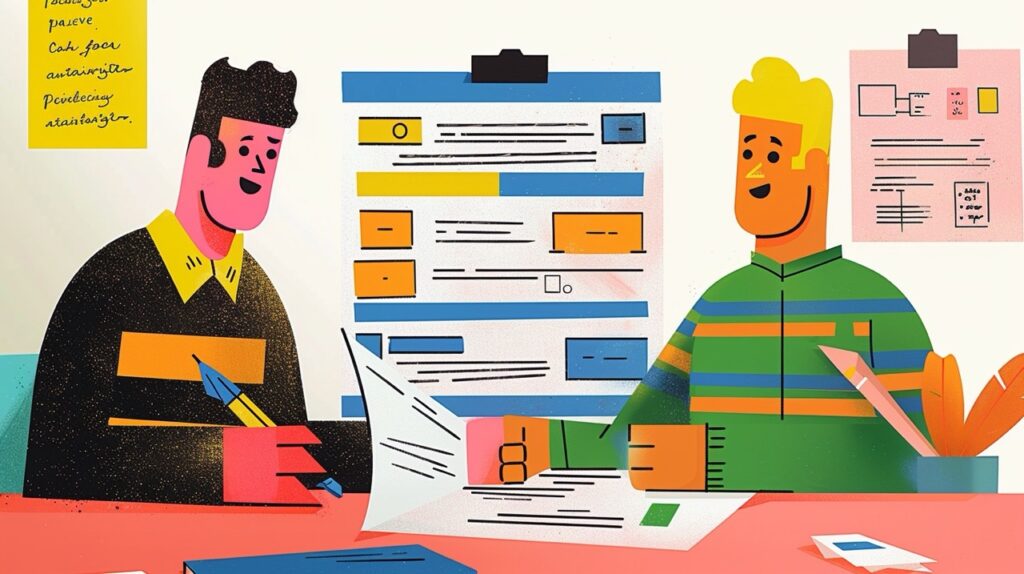
Tools of the Trade: Practical Tips for Stakeholder Mapping & Management
Keeping track of all these players, their individual priorities, their specific concerns, their relationships with each other, their preferred communication styles, and your entire history of interactions requires more than just a good memory and a chaotic pile of sticky notes. This is where effective advertising agency stakeholder mapping becomes a systematic process, not just a fleeting good intention. Good tools and processes free up your brainpower for strategy and creative engagement.
Practical Tools & Techniques (Your Sanity Savers):
- Your CRM is Your Absolute Best Friend (Use It Religiously!): Your Customer Relationship Management (CRM) system is ground zero for all stakeholder intelligence. Use it diligently to log every contact, their official role (and your perceived role in the buying process), every interaction (emails, calls, meetings), their stated concerns and motivations, key takeaways from conversations, and any insights you glean about the relationships between stakeholders (e.g., “Sarah in Marketing defers to John in IT on tech decisions”). This is non-negotiable for effective CRM for stakeholder management. Customize fields if you need to capture specific enterprise-related info.
- Simple Stakeholder Mapping (Visualize to Strategize): You don’t need super fancy, expensive software to start mapping stakeholders effectively. Visual tools – even a simple spreadsheet with columns for name, title, role in deal, concerns, influence level, and your engagement strategy, or a shared Google Doc, or even a whiteboard sketch during an internal strategy session – can be incredibly effective. Map out who’s who, their roles, reporting lines (if you can figure them out), and their current stance on your solution (e.g., Champion, Neutral, Blocker, Influencer, Economic Buyer). This is basic but powerful B2B account mapping that helps you see the whole picture.
- Internal Agency Communication (Get Your Whole Team on Board and Singing the Same Tune): Ensure your entire team involved in the enterprise pursuit – sales, account managers, project leads, even relevant creative or technical leads – is aware of the key stakeholders and the overarching engagement strategy for that account. Regular internal sync-ups (e.g., a weekly enterprise deal review) are vital for sharing intelligence, coordinating efforts, and ensuring everyone is delivering a consistent message. This is key for effective internal sales communication. Consider using shared notes platforms or dedicated channels in your team communication tools (like Slack or Teams) for each major prospect. You might also explore sales intelligence tools to augment your CRM data with additional organizational insights.

From Zoo Keeper to Deal Closer: Mastering the Stakeholder Game for Agency Growth
Phew! The enterprise sales cycle, with its diverse and dynamic cast of enterprise sales cycle stakeholders, can indeed feel like navigating a complex zoo, complete with its own unique ecosystem and sometimes unpredictable creatures. But by understanding the different “species,” their individual motivations, how their influence shifts throughout the process, and by strategically and empathetically engaging each one, your B2B creative agency can move from feeling like a bewildered tourist to becoming a confident, effective “zoo keeper” – or better yet, a consistent deal closer. This isn’t just about surviving the enterprise environment; it’s about thriving in it, which is non-negotiable for sustainable B2B agency growth.
Mastering B2B buying committee engagement and the art of multi-threaded sales isn’t just about closing one big deal; it’s about building a repeatable, scalable process for winning high-value enterprise clients consistently. This, in turn, solidifies your enterprise sales strategy, builds your agency’s reputation in the enterprise space, and fuels your long-term ambitions. Each successful enterprise engagement becomes a powerful case study and a source of invaluable learning.
A Final Pep Talk for Creative Founders: Your innate ability to understand people, to empathize, to listen deeply, and to craft compelling narratives is a huge, often underestimated, asset in this stakeholder game. Apply that creative genius not just to your client work, but to understanding and connecting with each unique individual you encounter in the enterprise buying committee. See it as another fascinating human puzzle to solve.
Your Next Move (Let’s Make This Real and Actionable):
- Start Mapping! (No, Really, Today!): Challenge yourself and your team to start actively mapping the key stakeholders for your current top enterprise prospect. Don’t just list names; try to identify their roles, what you think they care about most, and who might influence whom. Even a rough first pass is better than nothing.
- Team Huddle Time (Make it a Habit): Suggest dedicating a segment of your next sales team meeting specifically to discussing stakeholder engagement strategies for your key enterprise targets. Share insights, brainstorm approaches, and assign responsibilities for gathering more intelligence.
- Keep Learning (The Enterprise World is Always Evolving): This is just one piece of the enterprise puzzle. Dive deeper by exploring more about the journey to enterprise readiness by visiting “The Agency Leap: So, You’re Ready to Land Those Enterprise Clients?”, and check out other relevant spoke articles like “Level Up Your Pitch” or “The Enterprise Sales Cycle Marathon.” To assess your current readiness in a structured way, the Enterprise Deal Readiness Checklist can be an invaluable tool.
By mastering the stakeholder game, you’re not just navigating the zoo; you’re paving the way for winning enterprise sales, building strong and lasting enterprise client relationships, and achieving true B2B agency success through mastering the art and science of complex sales. Go tame those beasts!