
Okay, agency owner, let’s talk. You’ve built a solid web design agency. You’re delivering great work for small to medium-sized businesses (SMBs), and things are, well, good. But “good” isn’t “great,” is it? You’re eyeing that next level of growth, the kind that really moves the needle. If you’re wondering how to grow a web design agency into a serious powerhouse, the answer often lies in landing those big logo, enterprise clients.
Big Logo Deals
Learn how to close your first big enterprise deal and drive massive business growth.
The allure is undeniable: bigger projects, larger budgets, and the prestige that comes with household names on your client roster. But here’s the kicker: attracting and successfully working with these giants is a completely different ballgame than serving your trusty SMB clients. They operate on a different wavelength, with unique processes, expectations, and a whole cast of characters you need to understand.
Many agencies stumble here, trying to apply SMB tactics to enterprise-level targets, and it just doesn’t fly. They lack the insider knowledge of how these behemoths tick. Sound familiar? Don’t worry, you’re not alone, and there’s a clear path forward.
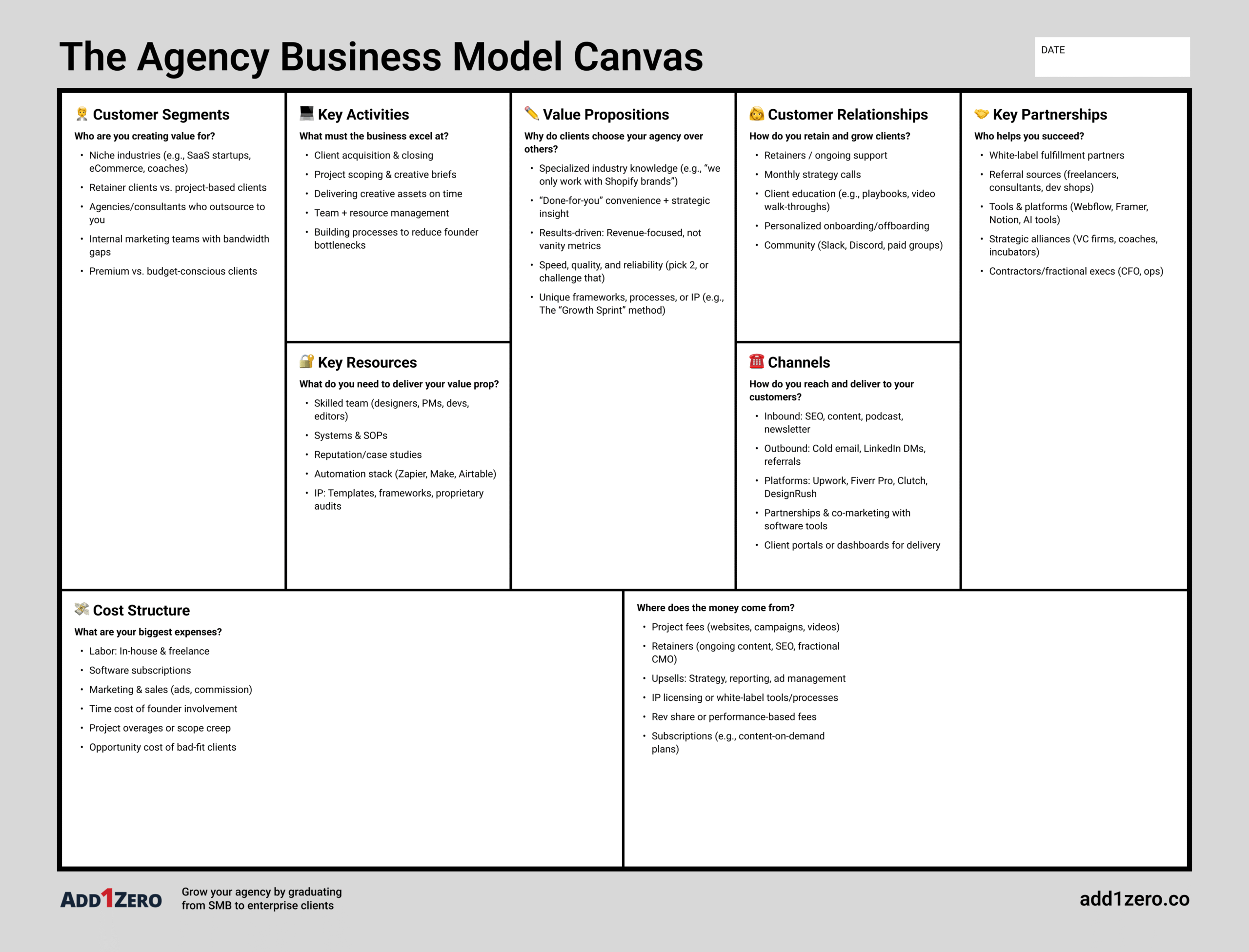
Shifting Your Stance: From Scrappy to Enterprise-Ready
Landing big fish requires more than just a good portfolio; it demands a shift in your agency’s entire demeanor and approach.
Looking and Sounding the Part
First impressions are critical. When an enterprise scout lands on your website, does it scream “we handle million-dollar projects”? Or does it whisper “we’re great for local businesses”? Your online presence, from your site’s professionalism to your LinkedIn activity, needs to exude credibility. Simple is fine, but shabby is a deal-breaker. They need to believe you can handle their scale.
This polish extends to your sales calls. Are you conducting video calls with a professional setup, clear communication, and active listening that’s amplified for the virtual world? Remember, for all they know, you’re a partner in the business, not “just a sales guy.” Own that presence. And when you’re asked about your company, even if you’ve done your homework, frame it as wanting to hear their story to fill in the gaps.
Cultivating “Calm Confidence”
Enterprise buyers can smell desperation a mile away. That “thirsty” sales approach? It’s a major turn-off. Instead, cultivate what we call “Calm Confidence.” It’s the vibe that says, “It makes no difference to my life if you buy this. It might make a difference to yours if you don’t.” Of course, you care about landing the deal, but that’s your motivation, not theirs. Your focus should be on providing value and helping them make the best decision, even if that decision isn’t you (though, ideally, it will be!).
This confidence also means being prepared to walk away. Know your numbers, your value, and what you absolutely cannot concede. Sometimes, saying “no” to a price cut, or pushing back on unreasonable terms, is the most powerful move you can make. Curious about what those terms might be? The Enterprise Deal Readiness Checklist can give you a head start on what to look out for.
Understanding the Players and the Game
In the SMB world, you might talk to one or two decision-makers. In enterprise, you’re often dealing with a “constellation” of 8-10 stakeholders. Learning to identify who’s who in the enterprise sales cycle is a critical skill. You’ll encounter:
- The Delegated Shopper: An intern or junior staffer filling out a spreadsheet.
- The Unfunded Mandate: A frazzled mid-level employee tasked with a vague project.
- The Mid-Level Owner: Has some budget but needs their boss’s approval.
- The Chemistry Call: A screening to see if you’re a cultural fit.
- The Leadership Presentation: Your shot with the key decision-makers.
Your job is often to turn your initial contact into an internal advocate who will champion your agency. Don’t expect them to sell your complex services internally; offer to help them present the case to their superiors.
Is Your Agency Financially Fit for the Big Leagues?
Big logo deals mean big money, right? Yes, but they also come with significant financial demands that can sink an unprepared agency faster than no deals at all.
The Cash Flow Crunch
Enterprise clients often have long payment terms – Net 60, Net 90, or even longer. This means you’ll be footing the bill for your team’s work, software, and other expenses for months before you see a dime. Ask yourself: do you have enough cash on hand to float at least half the contract value for six months? If not, that dream client could become a nightmare, leading to insolvency. This isn’t an exaggeration; it’s a harsh reality.
Knowing Your Real Costs (COGS)
Your gut-check COGS (Cost of Goods Sold) that worked for SMB projects won’t cut it. Enterprise projects demand more: more communication, more project management, more QA, and more handling of inevitable scope creep. You need meticulous COGS calculations. Are you accounting for your own time? Switching time between tasks? Unrealistic 100% utilization rates? If not, you’re overstating your margins and could underprice yourself out of business. Enterprise clients will often ask you to “unwind” your packages into component parts, and if you don’t know your COGS for each, you’re flying blind.
The “Do or Die” Trap
If you’re ever thinking, “If we don’t land or deliver this massive deal, we’re screwed,” you’re already in deep trouble. This “do or die” mentality means you have no buffer. Things will go wrong. Without adequate cash reserves and a clear understanding of your financial readiness, you’re gambling with your agency’s future.
Gearing Up Operations for Enterprise Demands
Successfully serving enterprise clients isn’t just about sales and finance; your operations need a serious upgrade, starting with a clear understanding of the enterprise sales process steps.
Showing Up as the Undeniable Expert
With SMBs, you might have a standard onboarding where you ask a lot of preliminary questions. Enterprise clients expect you to arrive already knowing a lot about their business, their industry, and their specific challenges. This means deep-diving into their press, annual reports, social media, and industry trends before you even start.
Record all your sales calls (tools like Fathom with Zoom are great for this) and make these recordings available to your delivery team. They need to be just as prepped as your sales team.
Sales Enablement That Speaks Their Language
Your top-of-funnel content (blogs, social media) gets them interested. Sales enablement is the “middle-of-funnel” content: specific materials like case studies, flowcharts of your unique processes, and ROI calculators that your sales team uses during calls to demonstrate deep expertise and tangible value. Forget fancy, over-designed PDFs. Think clean, simple, visual, and data-driven pieces that get straight to the numbers and can be shared as one-pagers or even just links in an email. This all culminates in your proposal, which must contain all the essential elements of a winning pitch.
And remember, while they might talk about “brand awareness,” enterprise clients ultimately answer to ROI. Your sales enablement and reporting must demonstrate how you impact their bottom line.
Enterprise vs. SMB: Customer Standards are Worlds Apart
What got you here won’t get you there. Enterprises often don’t want your standard packages, which is why you must revamp your web design agency business model to succeed. They expect bespoke solutions and will challenge all your existing delivery methods.
- Communication: Expect slower movement and multiple approval layers. You’ll need to communicate early, often, and reconfirm constantly. Be firm yet supportive.
- Reporting: They might need weekly spreadsheet data for their BI tools, not your quarterly slide decks. Be agile.
- Scope Creep: It’s guaranteed. Train your team on how to manage it professionally without giving away the farm. For a deeper dive into these nuances, the Big Logo Deals podcast often features experts discussing these very challenges.
Bracing for Impact on Existing Clients
When you land that first huge client, your best people will be stretched thin. Be upfront with your existing SMB clients. Explain the situation, reassure them of their importance, and provide a clear escalation path (a “Bat Phone”) if they feel their service is slipping. Transparency can go a long way.
Our Probably-Too-Honest Private Podcast
Find out what REALLY happens when agencies land enterprise deals (spoiler warning: one of them lost $100K)
Brought to you by Add1Zero4 and hosted by David “Ledge” Ledgerwood
Pricing, Packaging, and Getting Paid by Giants
How you price and package your services, and how you navigate payments, needs a complete rethink for the enterprise world.
“Twice the Price, Half the Deliverables” Revisited
Your $5,000/month SMB retainer? It’s not going to work. A good starting point for enterprise pricing is often “twice the price for half the deliverables” compared to your SMB offerings. Why?
- Overhead: Enterprise clients demand a lot more meetings, presentations, reports, and general hand-holding. This time isn’t billable as a line item; it needs to be baked into your overall price.
- Reduced Scope (Initially): They might not want to consume as much as an SMB client right out of the gate.
No More “Free Stuff”
Doing “favors” for SMB clients builds goodwill. With enterprise clients, doing free work usually just sets an expectation that you’ll keep doing free work. The person you did the “favor” for might not even be the one who can reciprocate with more business. If you do offer something extra, be explicit that it’s a one-time concession and document it clearly (e.g., show the full price on the invoice, then a line item for the discount).
Navigating the Payment Maze
Forget easy credit card payments on the 1st of the month. Expect:
- Complex Payment Structures: Upfront (rare), milestone-based (common), post-delivery (avoid if possible), or retainers (less common for new vendors).
- Paperwork Hell: Vendor setup forms, Master Service Agreements (MSAs), Statements of Work (SOWs), Purchase Orders (POs) – all before you can even think about invoicing.
- Supplier Portals: You’ll likely need to submit invoices and documents through their procurement software (SAP Ariba, Coupa, etc.), which can be clunky.
- Longer Net Terms: Net 30, 45, 60, even 90 days after your invoice is received (and correctly submitted!). Always invoice promptly.
Negotiate payment terms. If they push for Net 90, ask for shorter terms or a significant upfront percentage. Know what your cash flow can handle and be prepared to walk if the terms are too risky.
The Big Logo Deals Course
Created by experts who have closed over $50 million in revenue over the last decade who teach you everything they know about closing deals with the logos you wish were on your client list.
The Legal Labyrinth and Procurement Puzzles
Working with enterprises means entering a world of complex legal documents and procurement processes.
Legal Counsel is Your Friend (But Use Them Wisely)
They’ll want you to sign their 60-page MSA, not your simple SMB contract. Get legal counsel, especially for your first few enterprise deals. However, don’t just have them redline everything (which can stall deals for months). Use them to understand what really matters – publicity clauses (can you use their logo?), intellectual property, insurance requirements, and data security. Learn to identify major risks versus minor boilerplate.
NDAs: Mostly Harmless, But Watch the Fine Print
Non-Disclosure Agreements are standard. Check the duration (2-3 years is typical) and ensure it’s mutual. The big red flag? Non-competes or exclusivity clauses that severely limit your agency’s ability to work with other clients in that industry. Be prepared to walk away from those.
Procurement: The Gatekeepers
This department ensures compliance, manages vendor relationships, and processes payments. They’ll need detailed info: banking details, key team member info, insurance certificates, tax forms, diversity and inclusion policies. Be prepared for IT audits and data security questionnaires. Using major cloud providers can help, as they often have robust security policies you can reference.
The Art of Patience and Perfect Timing
Enterprise sales cycles are marathons, not sprints. Patience and strategic timing are your superpowers.
“Constellation Decision-Making” and the Long Wait
Decisions involve many stakeholders, often with conflicting priorities and budget cycles you don’t control. A “yes” from your initial contact means very little until it navigates the internal approval maze.
That exciting lead from Microsoft? It might be a junior person researching options, with no real buying power. Your job is to understand who actually holds the purse strings and help your advocate sell internally. Ask early: “What’s your procurement process? Have you onboarded a new vendor before?” This acumen alone can make you seem more legitimate.
When Prospects Go Dark (And How to Follow Up)
It’s normal for enterprise prospects to disappear for months. Polite persistence is key. Set reminders, follow up with value-added information (not just “checking in”), and connect on LinkedIn. Don’t be afraid to (polite and selectively) use text if you have their mobile number. However, know when to let it go. You won’t win them all.
What “Closed-Won” Really Means
A verbal “yes” is not a closed deal. Don’t pop the champagne until the agreement is signed, a PO is issued, and you know you can actually bill for the work. Telling your team about a “verbal” that then falls through is demoralizing. Keep it quiet among key leadership until it’s official.
Ready to Grow Your Web Design Agency?
Transitioning your web design agency from serving SMBs to successfully landing and retaining enterprise clients is a challenging but incredibly rewarding journey. It requires a fundamental shift in mindset, operations, financial planning, and sales strategy. You need to understand their world, speak their language, and navigate their complex systems with calm confidence.
The insights shared here are just the tip of the iceberg. If you’re serious about adding a zero (or two!) to your agency’s revenue by mastering the art of the big logo deal, then it’s time to get equipped with the full playbook.
Stop guessing and start implementing proven strategies. The Big Logo Deals course provides the comprehensive framework, tools, and expert guidance you need to confidently pursue and win enterprise clients. It’s designed specifically for agency owners like you who are ready to make that leap.
Ready to stop dreaming about big logos and start landing them? Learn more about Big Logo Deals and enroll today!